Table of contents
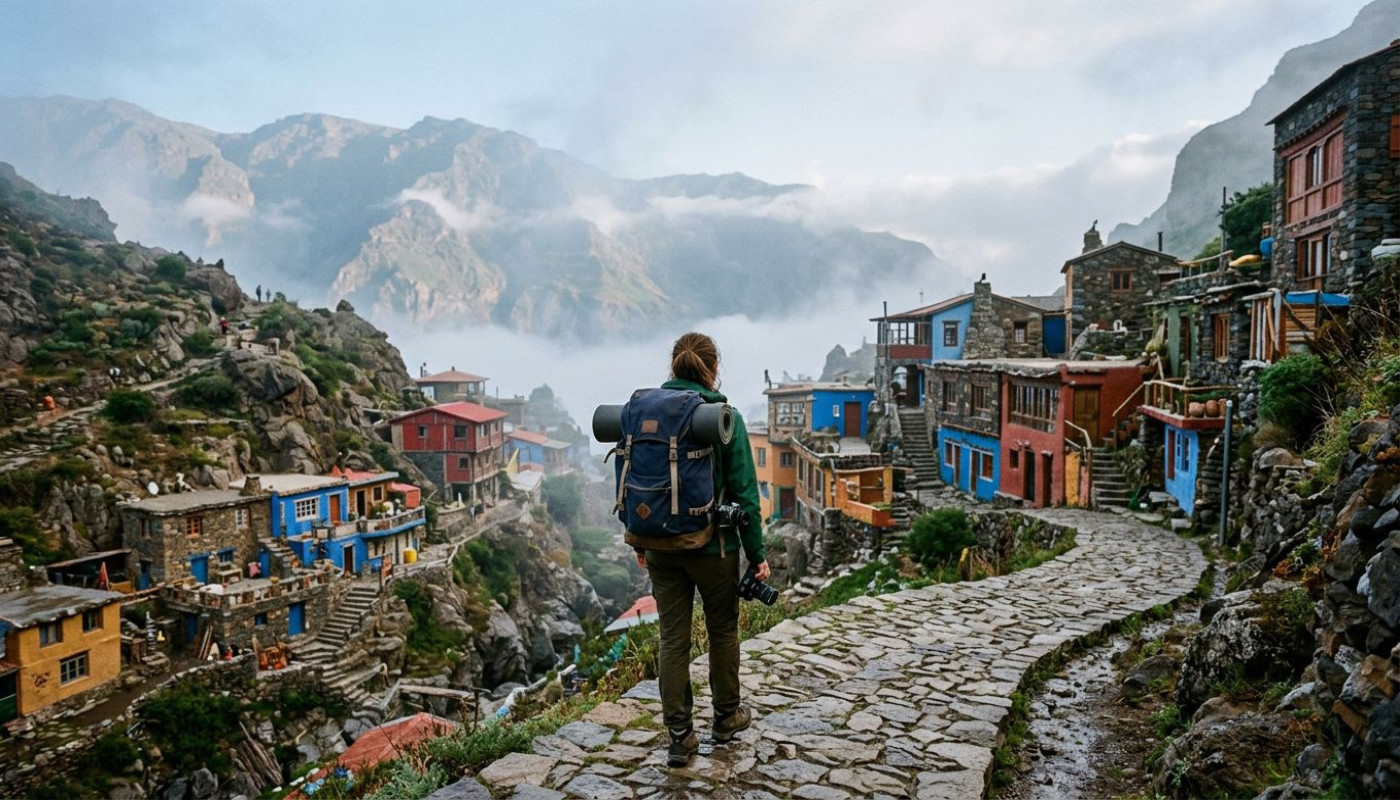
Everyone remembers Paris and Rome, yet the trips people retell for years often begin somewhere else, on a back road, in a half-empty café, or in a place your friends can’t instantly place on a map. As overtourism reshapes the world’s most famous cities, travelers are quietly rerouting toward lesser-known regions, chasing space, surprise, and the feeling of discovery that mass itineraries flatten. Offbeat destinations, when chosen thoughtfully, don’t just change what you see, they change what happens to you, and that is where enduring travel stories are born.
Fewer crowds, more room for life
Want a story, not a checklist? Start by removing the crowd from the frame. In the most visited places on earth, the experience is often pre-scripted, lines dictate your pace, prices steer your choices, and the “best” view becomes a shoulder-to-shoulder negotiation rather than a moment you inhabit. That pressure is measurable, too, not just a vibe, as the UN World Tourism Organization has repeatedly noted that international tourism flows have rebounded strongly in recent years, pushing many destinations back toward capacity constraints, while local authorities from Barcelona to Venice have introduced or expanded rules meant to manage visitor pressure. When a place has to ration access, the traveler’s role subtly shifts from guest to unit, moving through a system designed for throughput.
In offbeat destinations, the opposite tends to happen, not because they are magically pure, but because the infrastructure is still oriented toward daily life, not toward processing large volumes. You get the unplanned interactions that never fit into a timed-entry ticket, a chat with a shopkeeper who has time to recommend a detour, an invitation to try a dish that isn’t optimized for foreign palates, and a longer, quieter look at how people actually live. Stories form in those gaps, in the minutes that aren’t monetized and the streets that aren’t curated, and when you’re not competing with a thousand people for the same photograph, you start noticing details you’d otherwise miss, the sound of evening prayer, the rhythm of a market, the way the light changes over a ridge line.
The psychological effect is real: researchers in environmental psychology have long linked crowding with stress and reduced satisfaction, and while travel is not a laboratory, anyone who has tried to appreciate a landmark while being jostled understands the principle. When you feel calmer, you become more curious, you ask better questions, you stay longer, and you remember more. That is why a modest coastal town, a desert plateau, or a mountain village can outstory the “must-sees”, the narrative isn’t competing with noise, it has room to breathe, and you, finally, have room to be present.
Serendipity thrives off the main route
The best travel anecdotes often start with a wrong turn. Offbeat destinations increase the odds of surprise because fewer things are choreographed for visitors, and the day is less tightly structured by reservation slots, “skip-the-line” logistics, or the pressure to cover ten highlights before dinner. In a famous capital, even spontaneity can feel engineered, you stumble into a “hidden” bar that has 50,000 tagged photos; in a lesser-known region, you might find a family-run bakery that closes when they’ve sold out, and that simple constraint becomes a plot point in your day.
There is also a practical reason serendipity shows up more often: when places are less saturated, locals tend to engage differently. Not every conversation will be warm, and travelers should never romanticize communities as props, but in many quieter destinations, people aren’t exhausted by constant tourist demand, and that reduces friction. You can ask for directions and get a story back, you can show interest in a craft and end up watching a demonstration, you can mention you’re trying to understand local customs and be offered a clearer explanation than any guidebook paragraph. The line between “activity” and “life” blurs, and that is where narrative complexity comes from, because good stories need characters, not just scenery.
Even the logistics can become part of the tale, in a way that feels meaningful rather than miserable. A delayed bus might lead to tea with strangers, a missed connection might push you to stay the night in a place you hadn’t researched, and the following morning becomes the memory you keep. The key is to travel with enough slack, time buffers, flexible bookings, and a willingness to pivot, because offbeat routes reward travelers who treat plans as hypotheses. If you’re looking for inspiration on how to structure that kind of trip, and how to translate curiosity into a workable itinerary, you can explore travel ideas and destination context on the blog here, then adapt them to your own pace and comfort level.
Culture feels deeper when it’s not staged
Authenticity is a word that gets abused, yet travelers still chase something real. In heavily touristed hotspots, culture is often repackaged into quick, digestible performances, and while those can be enjoyable, they risk flattening a place into a few repeated motifs. Offbeat destinations don’t automatically deliver “the real thing”, but they can make it easier to encounter culture in its ordinary settings, where it carries context. You might see a religious celebration that is happening for the community, not for an audience, or discover food traditions that haven’t been simplified to meet the expectations of visitors, and those experiences tend to land differently because they are not designed to be consumed in fifteen minutes.
Data points underline why this matters. UNESCO’s World Heritage List has grown to include well over a thousand sites globally, and many of them face the same paradox: recognition can help fund preservation, yet popularity can strain what makes the site valuable in the first place. When travelers focus only on the most famous names, pressure concentrates, while equally compelling heritage, landscapes, and living traditions remain overlooked. Choosing an offbeat destination can redistribute attention, and, if done responsibly, money as well, toward communities that benefit from tourism without being overwhelmed by it. The best stories often carry that nuance, too, not just “I saw something pretty”, but “I understood why it matters, and how it fits into people’s lives.”
Depth also comes from continuity. In quieter places, you can return to the same café twice and be remembered, you can walk the same neighborhood morning and evening and notice how it changes, and you can stay long enough for a small relationship to form, even if it’s simply recognition and a few shared jokes. That accumulation is hard to achieve when you’re rushing between blockbuster landmarks. A story becomes richer when it includes not only what you saw, but how your perceptions shifted, and offbeat travel is often a gentler teacher, it slows you down without forcing you to slow down.
Risk, responsibility, and the thrill balance
Let’s be honest: part of the appeal is the edge. Offbeat destinations can feel adventurous because the path is less marked, and that sensation, when managed well, heightens memory. But “adventure” should never mean reckless, and some travelers confuse inconvenience with insight. The best travel storytellers know how to balance thrill with preparation, checking local guidance, understanding cultural norms, and building redundancy into their logistics. That can be as simple as having offline maps, backup payment options, and a realistic plan for transport after dark, or as serious as monitoring weather patterns, seasonal road closures, and regional safety advisories.
Costs and impacts deserve the same attention. Offbeat does not always mean cheaper, especially if you rely on private transfers or last-minute bookings, but it often gives you more control over where your money goes. You can choose locally owned lodging, hire regional guides, and eat in places that serve residents rather than only visitors. Economists and development specialists have long pointed out that tourism’s benefits can leak away through external ownership and imported supply chains, so travelers who want their trip to matter can make practical choices that keep more spending local. That ethical layer can become part of the story, too, because it turns a trip into a set of decisions, not just a consumption binge.
Finally, there is a responsibility to avoid turning “hidden gems” into the next overcrowded feed. The paradox of social media is that it can democratize discovery while accelerating saturation, and the best approach is selective sharing, celebrate regions without geo-tagging fragile spots, and highlight respectful behavior rather than only photogenic backdrops. Offbeat destinations create the best travel stories when travelers treat them as living places, not as blank stages, and when curiosity is paired with humility. Do that, and you return with something rarer than a picture: a narrative that feels like it could only have happened to you.
Plan it like a reporter, not a tourist
Book early where supply is limited, and leave breathing room in your schedule so a good lead can become a full day. Build a realistic budget for transport, guides, and tips, then check whether regional tourism cards, seasonal discounts, or national programs can offset costs. If you’re renting a car, confirm insurance terms and road requirements, and if you’re taking public transport, save timetables offline.
Similar
Hidden Detours: Finding Unexpected Gems Along Your Travel Itinerary

When Hidden Destinations Steal The Spotlight From Classic Travel Hotspots

Exploring Unique Desert Landscapes And Iconic Canyons: A Travel Guide

Hidden European Villages: Unexplored Gems